
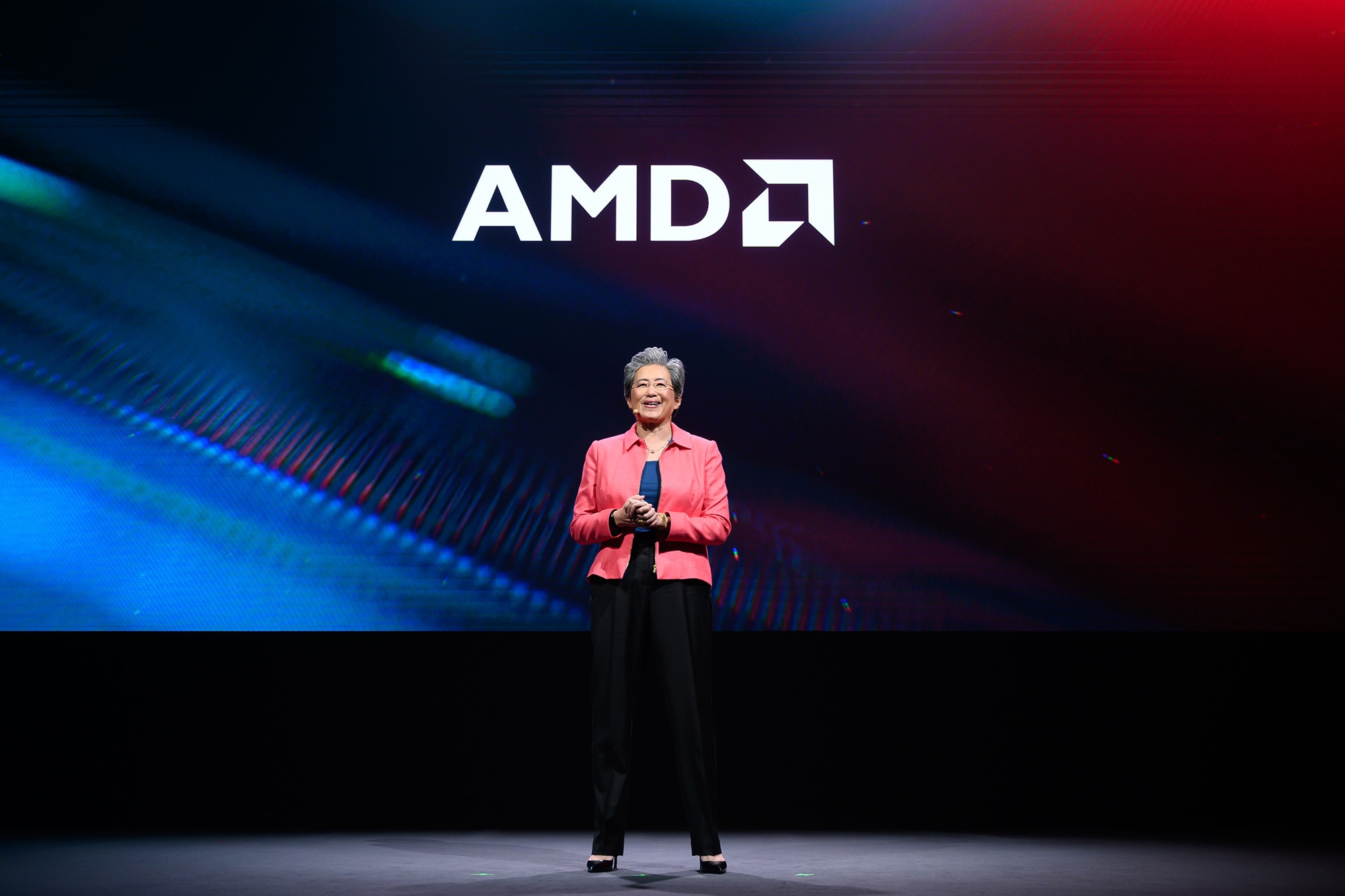
Shares of Advanced Micro Devices rebounded on Monday as semiconductor stocks helped lift markets from earlier lows.
AMD shares rose about 2% during the session, alongside gains in other chipmakers.
Broadcom advanced more than 3%, while Micron Technology also gained around 2%. Nvidia climbed nearly 1%.
The rebound in chip stocks came after a difficult start to the year for the sector.
Semiconductor companies have faced pressure amid investor concerns about a potential artificial intelligence bubble and questions about the sustainability of heavy spending on AI infrastructure.
Broader market remains under pressure
Despite the gains in semiconductor names, the broader market remained weaker.
The Dow Jones Industrial Average dropped 469 points, or about 1%, at the start of the week and is coming off its steepest weekly decline in nearly a year.
The S&P 500 fell 0.6%, while the Nasdaq Composite slipped 0.3%.
Market sentiment has been weighed down by concerns that the US economy could face a stagflationary environment characterised by rising inflation and slowing growth.
Oil prices have played a role in that discussion, although US crude moved below $100 per barrel during Monday’s session.
AMD expands embedded AI processor portfolio
Separately, AMD announced an expansion of its embedded processor lineup aimed at supporting industrial and edge artificial intelligence applications.
The company introduced additional processors in its AMD Ryzen AI Embedded P100 Series portfolio, targeting use cases such as factory automation, mobile robotics, and other edge AI systems that require real-time processing and long-term reliability.
According to AMD, the new processors feature up to twice the CPU core counts and up to eight times higher GPU computing capability compared with earlier offerings.
The company also said the processors deliver an estimated 36% increase in system tera operations.
The chips include eight to 12 Zen 5 cores and support up to 80 system tera operations per second for physical AI acceleration.
They incorporate AMD RDNA 3.5 graphics for real-time visualisation and a neural processing unit based on the company’s XDNA 2 architecture, designed for low-latency and energy-efficient AI inference.
AMD said the processors are intended for applications ranging from intelligent factory systems to autonomous robots and medical imaging devices, reflecting growing demand for AI capabilities at the edge.
Licensing deal with Adeia
In a separate development, Adeia announced that it has signed a multi-year license agreement with AMD, granting access to Adeia’s semiconductor intellectual property portfolio.
The agreement provides AMD with access to technologies covering hybrid bonding, semiconductor packaging, and semiconductor processing, according to a company statement.
The deal also resolves all pending litigation between the two companies.
“We are pleased to reach this agreement with AMD, a global leader in high-performance computing and advanced semiconductor solutions,” said Paul E. Davis, chief executive officer of Adeia.
“Resolving our disputes allows both companies to move forward and creates an opportunity for exploring future collaborations on advanced semiconductor technologies.”
The post Why AMD stock is surging over 2% appeared first on Invezz
