
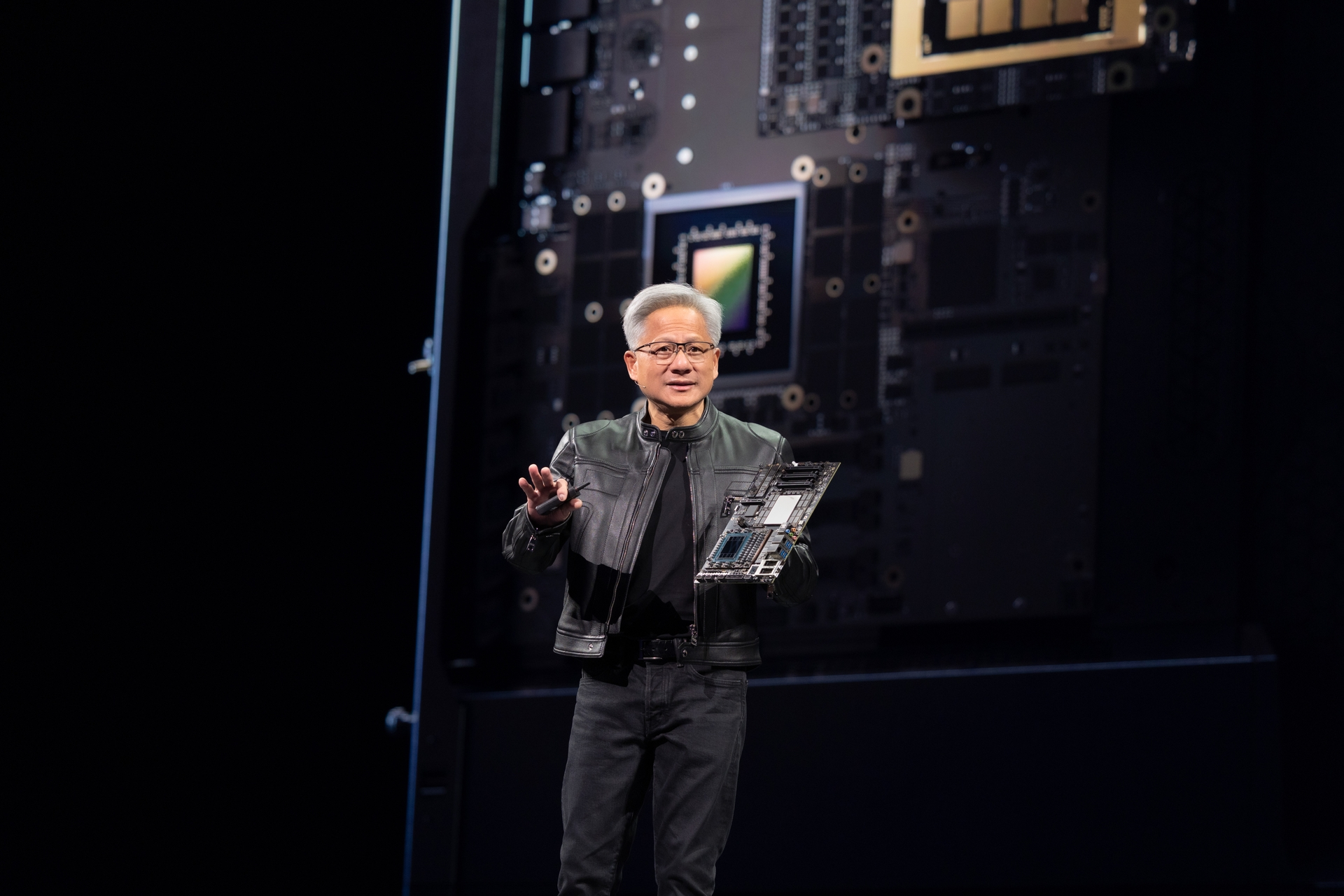
Nvidia (NVDA) stock fell more than 2% on Wednesday, putting the chipmaker on track to end a six-day winning streak as a sharp rise in Treasury yields weighed on technology stocks.
The decline came as US equities broadly moved lower amid renewed concerns that the Federal Reserve could raise interest rates again in October.
The S&P 500 fell 0.7%, while the Nasdaq Composite dropped 1.2%. The Dow Jones Industrial Average declined 318 points, or 0.6%.
Rising yields pressure technology stocks
Treasury yields climbed after stronger-than-expected purchasing managers’ index readings raised concerns about the strength of the economy and the potential for additional monetary tightening.
The 10-year Treasury yield reached 5.087%, its highest level since July 2007.
The two-year yield, which is particularly sensitive to expectations for Fed policy, climbed to 4.887%, its highest level since June 2024.
Markets also sharply increased their expectations for another rate increase.
The probability of a 25-basis-point Fed hike in October rose above 73%, according to CME FedWatch, up from 55.4% a day earlier and just 8.8% one month ago.
Higher yields can put pressure on high-growth technology stocks by raising the discount rate applied to future earnings.
Nvidia has also become increasingly sensitive to shifts in expectations around AI spending and the broader cost of capital.
The move comes after a sharp rebound in semiconductor stocks earlier this week.
The Philadelphia Stock Exchange Semiconductor Index, or SOX, fell nearly 6% on September 14 after concerns over the pace of advanced AI development weighed on chip stocks.
The index then jumped 4.3% Monday, its strongest daily gain since August 4, after early signs of success for Meta Platforms’ new AI agent helped revive optimism around future chip demand.
Nvidia growth remains strong
Despite the volatility, there are few signs that AI infrastructure spending is slowing materially.
Nvidia’s revenue and net income are expected to increase 90% and 99%, respectively, in fiscal 2027, which ends in January.
That would represent an acceleration from roughly 65% growth for both metrics in the previous fiscal year.
The company also offered a strong outlook for the following year in its second-quarter earnings report last month, projecting 70% sales growth in fiscal 2028, well above the 45% growth previously expected.
Nvidia shares remain up roughly 18% in 2026, making it the second-best performer among the Magnificent Seven technology companies behind Apple, which has gained 26%.
However, the performance looks less impressive against the broader semiconductor sector.
The SOX index is up about 78% this year, while Micron Technology, Intel and Advanced Micro Devices have each gained more than 160%.
Nvidia is currently among the weaker performers within the semiconductor index, which trades at roughly 21 times estimated earnings.
Market still cautious beyond 2027
Morningstar Chief US Market Strategist Dave Sekera said the market appears willing to price Nvidia’s near-term growth but remains cautious about how long that expansion can continue.
“I think the market is definitely giving the company for the amount of growth that they’re projecting here in the short term for the rest of the year and even for 2027,” Sekera said.
“But, I think the market is very leery of giving the company the credit for 2028 and thereafter.”
Morningstar expects Nvidia to generate slightly more than $400 billion in fiscal 2027 revenue, representing 74% growth, with earnings of almost $9.50 per share, up nearly 100% from the previous year.
Based on those estimates, Sekera said the stock trades at about 23 times fiscal 2027 earnings, which he described as not particularly expensive given the expected growth.
Morningstar expects Nvidia’s revenue to exceed $700 billion in fiscal 2028, another 70% increase, while earnings could rise 76% to $16.61 per share.
Under those estimates, the stock would trade at only about 13 times fiscal 2028 earnings, Sekera said, suggesting that investors are assigning relatively little value to Nvidia’s longer-term growth.
The post Why Nvidia stock is down around 2% after a six-day rally appeared first on Invezz
